
In the vast digital landscape, standing out and reaching your target audience requires a strategic approach. This is where SEO (Search Engine Optimization) comes into play, ensuring your website is visible to potential customers searching for the products or services you offer. A well-executed SEO strategy can significantly boost your organic traffic, lead generation, and ultimately, your business success.
To help you navigate the intricacies of SEO, we’ve compiled a comprehensive SEO Checklist encompassing 10 crucial steps. This checklist serves as your roadmap to achieving higher search engine rankings, increased online visibility, and a flourishing online presence.
1. Keyword Research: The Foundation of Your SEO Strategy
Keyword research is the cornerstone of any successful SEO strategy. It involves identifying the terms and phrases that your target audience uses to search for information related to your business. This process allows you to tailor your website content and optimize it for relevant keywords, ensuring that your pages show up when users search for these terms.
Here’s how to conduct effective keyword research:
- Brainstorming: Start by listing all the relevant keywords and phrases related to your business, products, or services. Think about what your ideal customers would type into a search engine to find what you offer.
- Competitor Analysis: Analyze your competitors’ websites and see what keywords they are targeting. Tools like SEMrush and Ahrefs can provide valuable insights into their keyword strategy.
- Keyword Research Tools: Utilize keyword research tools like Google Keyword Planner, SEMrush, Ahrefs, and Moz Keyword Explorer to identify high-volume keywords with low competition. These tools provide data on search volume, competition, and related keywords.
- Long-Tail Keywords: Don’t neglect long-tail keywords, which are longer and more specific phrases with lower search volume but often have higher conversion rates. For example, instead of targeting “shoes,” you might target “women’s running shoes size 8.”
2. On-Page Optimization: Enhancing Your Website’s Content
On-page optimization refers to optimizing individual pages of your website to improve their ranking in search engine results pages (SERPs). This involves various techniques to make your content more relevant and engaging for both search engines and users.
Here are key aspects of on-page optimization:
- Title Tags: Craft compelling title tags that accurately describe each page’s content and include your target keywords. Title tags are displayed in SERPs and are crucial for attracting clicks.
- Meta Descriptions: Write concise and informative meta descriptions that provide a brief overview of the page’s content and entice users to click through from SERPs.
- Header Tags (H1-H6): Use header tags (H1-H6) to structure your content logically and highlight important keywords. The H1 tag should be used for the main heading of the page, while subsequent tags are used for subheadings.
- Keyword Placement: Include your target keywords naturally throughout your page content, including headings, subheadings, image alt tags, and body text. Aim for a balanced keyword density, ensuring that keywords appear organically within the flow of your writing.
- Image Optimization: Optimize your images for SEO by using descriptive file names and alt tags that incorporate relevant keywords. Compress images to minimize page load time.
- Internal Linking: Build a strong internal linking structure by linking relevant pages on your website to each other. This improves navigation and user experience, while also helping search engines understand the relationship between your pages.
3. Content Creation: Providing Value and Attracting Readers
High-quality, informative, and engaging content is essential for SEO success. It helps to attract users, establish your website as an authority, and build trust with your audience.
Here are tips for crafting compelling content:
- Target Your Audience: Understand your target audience’s needs, interests, and pain points. Create content that addresses their specific concerns and provides solutions.
- Original and Valuable Content: Avoid plagiarism and create original content that offers unique perspectives, insights, or information. Provide value to your audience, whether it’s through educational content, entertaining stories, or actionable advice.
- Content Variety: Offer a diverse range of content formats, such as blog posts, articles, infographics, videos, podcasts, and case studies. This keeps your content fresh and appeals to different learning styles.
- Content Length: While there’s no magic number for content length, Google generally prefers longer content that provides comprehensive coverage of a topic. Aim for at least 1,000 words for blog posts and articles, but always prioritize quality over quantity.
- Content Optimization: Ensure your content is optimized for relevant keywords and includes clear calls to action. Use subheadings, bullet points, and visual aids to make it easy to read and digest.
- Content Promotion: Once you’ve created great content, promote it across various channels, including social media, email marketing, and guest posting.
4. Technical SEO: Ensuring a Smooth Website Experience
Technical SEO involves optimizing the technical aspects of your website to ensure that it’s crawlable, indexable, and user-friendly for both search engines and users. This is crucial for maximizing visibility and driving organic traffic.
Here are key technical SEO aspects:
- Website Speed: Page load speed is critical for user experience and SEO. Optimize your website for fast loading times by compressing images, minimizing HTTP requests, and using a content delivery network (CDN).
- Mobile-Friendliness: Ensure your website is responsive and works seamlessly on all devices, including smartphones and tablets. Google prioritizes mobile-friendly websites in its search results.
- HTTPS Protocol: Use HTTPS (Hypertext Transfer Protocol Secure) to encrypt communication between your website and visitors’ browsers. This improves security and is a ranking factor for Google.
- Structured Data: Implement structured data markup to provide search engines with a clear understanding of your website’s content. This helps them display rich snippets in search results, improving click-through rates.
- XML Sitemap: Create an XML sitemap and submit it to Google Search Console. This helps search engines discover and crawl all the pages on your website.
- Robots.txt File: Configure your robots.txt file to tell search engines which parts of your website they can and cannot crawl. Avoid blocking important pages that you want indexed.
5. Off-Page SEO: Building Authority and Trust
Off-page SEO focuses on building authority and trust for your website by securing backlinks from other reputable websites. Backlinks are considered votes of confidence by search engines and play a significant role in determining your website’s ranking.
Here are essential off-page SEO strategies:
- Guest Blogging: Write guest posts for high-quality websites in your industry. This provides valuable exposure to a new audience and earns you backlinks to your website.
- Directory Submissions: Submit your website to relevant online directories. This can help improve your website’s visibility and attract backlinks.
- Social Media Marketing: Actively engage on social media platforms relevant to your industry. Share your content, participate in conversations, and build relationships with other users.
- Forum Participation: Engage in online forums related to your niche and offer valuable insights and answers to questions. This can help establish your expertise and earn backlinks to your website.
- Broken Link Building: Find broken links on other websites and offer to replace them with relevant links to your own content. This is a great way to earn backlinks and improve the quality of the web.
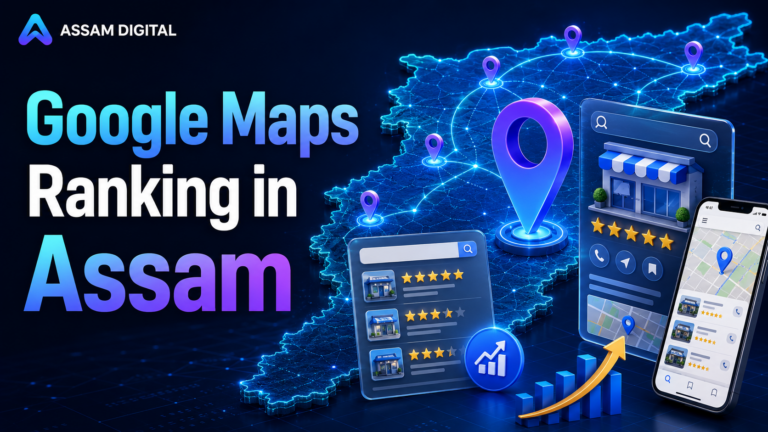
- Local SEO: Optimize your website for local search by creating a Google My Business profile and claiming your business listing on local directories. This is crucial for businesses with a physical location.
6. Link Building: Earning Trust and Authority
Link building is a crucial aspect of off-page SEO, focusing on acquiring backlinks from other websites. These links act as votes of confidence from search engines, influencing your website’s authority and credibility. High-quality backlinks from relevant websites can significantly boost your search engine rankings.
Here are proven link building strategies:
- Guest Blogging: Craft valuable guest posts for reputable websites in your niche. This strategy exposes your brand to a new audience while earning backlinks to your site.
- Broken Link Building: Identify broken links on other websites and offer relevant replacements from your own content. This is a mutually beneficial approach that strengthens both websites.
- Resource Page Outreach: Identify websites with resource pages in your niche and reach out with relevant content suggestions. This method can lead to high-quality backlinks and valuable partnerships.
- Content Promotion: Actively promote your valuable content through social media, email marketing, and other channels. This increases visibility, attracts backlinks, and strengthens your brand’s online presence.
- Community Involvement: Engage in relevant online communities and forums, offering insightful contributions and valuable resources. This establishes your expertise and attracts potential backlinks.
7. Website Analytics: Tracking Your Progress and Making Data-Driven Decisions
Website analytics provide invaluable insights into your website’s performance, enabling you to track your progress, identify areas for improvement, and make data-driven decisions for your SEO strategy.
Here’s how to leverage website analytics for SEO:
- Google Analytics: Use Google Analytics to track website traffic, user behavior, conversions, and other key metrics. This data provides a comprehensive understanding of how users interact with your site.
- Google Search Console: Utilize Google Search Console to monitor your website’s performance in search results. It provides insights into search queries, crawl errors, and other crucial data points.
- Keyword Ranking Tracking: Track your website’s ranking for target keywords using tools like SEMrush, Ahrefs, or Moz. This helps you assess the effectiveness of your SEO efforts and make adjustments as needed.
- Conversion Tracking: Set up conversion tracking in Google Analytics to measure the effectiveness of your SEO campaigns. Track valuable actions, such as form submissions, downloads, and purchases.
- A/B Testing: Conduct A/B tests to optimize elements of your website, such as landing pages, headlines, and calls to action. This data-driven approach helps to improve user engagement and conversion rates.
8. Mobile Optimization: Reaching Users on the Go
With the rise of mobile devices, optimizing your website for mobile users is no longer optional but essential. Google prioritizes mobile-friendly websites in its search results, and neglecting mobile optimization can significantly hinder your website’s visibility and user experience.
Here’s how to ensure your website is mobile-optimized:
- Responsive Design: Implement responsive web design, ensuring your website adapts seamlessly to different screen sizes and devices. This creates a smooth and consistent user experience across all platforms.
- Page Speed: Prioritize page speed optimization for mobile devices. Minimize image sizes, compress files, and leverage caching mechanisms to enhance loading times.
- Mobile-First Indexing: Ensure your website is indexed by Google using its mobile-first indexing approach. This prioritizes the mobile version of your website for crawling and indexing.
- Touch-Friendly Design: Ensure interactive elements like buttons and forms are easily clickable and navigable with touchscreens. Use clear and concise text to avoid straining the eyes on smaller screens.
- Mobile-Specific Content: Consider creating mobile-specific content tailored to the unique needs and preferences of mobile users. This could include shorter versions of articles, location-based information, or mobile-friendly features.
9. Local SEO: Connecting with Your Local Audience
Local SEO plays a critical role for businesses with a physical location or serving a specific geographic area. By optimizing your website and online presence for local searches, you can attract customers in your immediate vicinity and build strong local brand awareness.
Here are key local SEO strategies:
- Google My Business: Create and verify your Google My Business (GMB) listing. Complete all relevant details, including business name, address, phone number, website, and business hours. Encourage customer reviews and respond to queries promptly.
- Local Directories: List your business in relevant local directories, such as Yelp, TripAdvisor, Yellow Pages, and local chamber of commerce websites. Consistency in business information across these platforms is crucial for local search rankings.
- Geo-Targeting Keywords: Incorporate location-based keywords into your website content, meta descriptions, and title tags. For example, if you’re a restaurant in New York City, use keywords like “New York City Restaurant,” “NYC Restaurant,” or “Restaurant in Manhattan.”
- Local Citations: Ensure consistency in your business name, address, and phone number (NAP) across all online mentions. This improves your website’s authority and ranking in local search results.
- Hyperlocal Content: Create content tailored to your local community, highlighting local events, news, or interests. This demonstrates a genuine connection to your area and can attract local customers.
10. Website Security: Building Trust and Protecting User Data
Website security is paramount for building trust with users and protecting sensitive data. A secure website not only enhances the user experience but also improves your SEO ranking, as Google prioritizes websites that implement security measures.
Here are crucial security considerations for your website:
- HTTPS Protocol: Use HTTPS (Hypertext Transfer Protocol Secure) to encrypt communication between your website and visitors’ browsers. This ensures data is transmitted securely, protecting user information and boosting your SEO ranking.
- Regular Security Updates: Keep your website software, plugins, and themes up to date to mitigate vulnerabilities and prevent attacks. Regular updates often include security patches that address known vulnerabilities.
- Strong Passwords: Use strong passwords for all website accounts, including administrative panels, hosting services, and email accounts. Avoid using common passwords or personal information and consider using a password manager to generate and store secure passwords.
- Two-Factor Authentication (2FA): Enable two-factor authentication for critical accounts to enhance security. This requires an additional verification step, such as a code sent to your mobile device, making it harder for unauthorized individuals to access your accounts.
- Website Monitoring: Monitor your website for suspicious activity, such as unusual traffic patterns, unauthorized login attempts, or changes to your website’s files. Consider using security monitoring tools to detect and respond to potential threats.
Conclusion: A Continuous Optimization Process
Optimizing your website for search engines is an ongoing process. The SEO landscape is constantly evolving, requiring you to stay informed about the latest best practices and algorithm updates. Regularly review and refine your SEO strategy, focusing on providing high-quality content, improving technical aspects, and building valuable backlinks.
By consistently following this comprehensive SEO checklist, you can enhance your website’s visibility, drive organic traffic, and ultimately achieve your business goals. Remember, successful SEO involves a combination of on-page optimization, off-page strategies, content creation, and website security.
LSI (Latent Semantic Indexing) Keywords
Here are 5 LSI keywords related to “SEO Checklist” and examples of how to use them in content:
- Website Audit: “Before implementing any SEO strategy, it’s essential to conduct a thorough website audit to identify areas for improvement. This involves analyzing your website’s technical aspects, content, and backlink profile.”
- SEO Tools: “There are numerous SEO tools available that can help streamline your optimization process. Tools like Google Search Console, SEMrush, Ahrefs, and Moz provide valuable insights into your website’s performance and identify areas for improvement.”
- Content Marketing: “Content marketing is an integral part of SEO. Creating valuable and engaging content attracts users, builds authority, and earns backlinks, ultimately improving your website’s ranking.”
- Search Engine Algorithms: “Understanding how search engine algorithms work is crucial for effective SEO. Google’s algorithms prioritize high-quality content, user experience, and website security.”
- White Hat SEO: “Focus on ethical SEO practices, known as White Hat SEO, to ensure long-term success. Avoid using black hat techniques that can harm your website’s ranking and reputation.”
By incorporating these LSI keywords into your content, you can improve its semantic relevance and increase its chances of ranking higher in search results.